
in partnership with

YOUR MONITOR MAY NOT BE SUITABLE FOR MEDICAL IMAGING
If you’re unable to see the symbol during the brightness test, it indicates that your current monitor may not meet the necessary standards for accurate medical image interpretation. Using non-medical-grade monitors for diagnostic purposes can lead to significant risks and challenges.
POTENTIAL RISKS FOR USING NON-MEDICAL-GRADE MONITORS
DIAGNOSTIC INACCURACIES
A standard office monitor is not designed for grayscale accuracy, brightness levels, and DICOM compliance required for medical imaging. Using an inadequate monitor may lead to misdiagnosis, missed details, and compromised patient care.
NON-COMPLIANCE WITH MEDICAL STANDARDS
Medical-grade monitors are designed to comply with specific standards, such as DICOM part 14, ensuring consistent and accurate grayscale display. Non-compliance can lead to regulatory issues and affect the quality of patient care.
REDUCED DURABILITY AND MAINTENANCE CHALLENGES
Consumer-grade monitors are not built for the rigorous demands of medical environments, including frequent cleaning with disinfectants. This can lead to increased maintenance costs and potential hygiene concerns.
LEGAL AND FINANCIAL IMPLICATIONS
Utilizing non-compliant monitors for diagnostic purposes can result in legal liabilities. For instance, there have been cases where practices faced lawsuits for submitting claims based on interpretations made using inferior monitors.
ENHANCE YOUR DIAGNOSTIC ACCURACY WITH LG MEDICAL MONITORS
To lessen the risks and ensure the highest standard of patient care, consider upgrading to LG’s medical-grade diagnostic monitors.
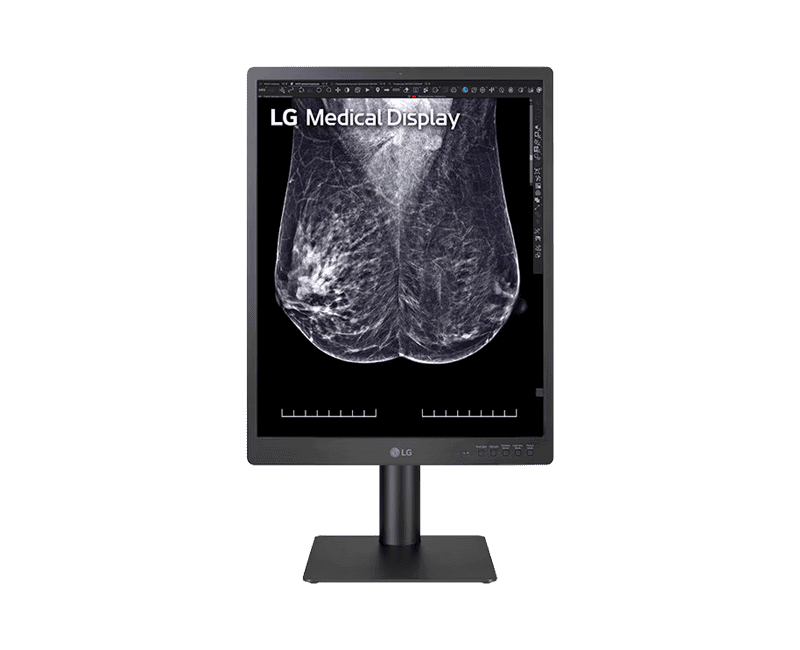
21HQ613D-1 | 21HQ613D | 21.3″ 5MP IPS Diagnostic Monitor for Mammography
Step up your diagnostic imaging game with the LG 21.3″ 5MP IPS Diagnostic Monitor – the ultimate solution for accuracy, efficiency, and comfort in breast imaging.
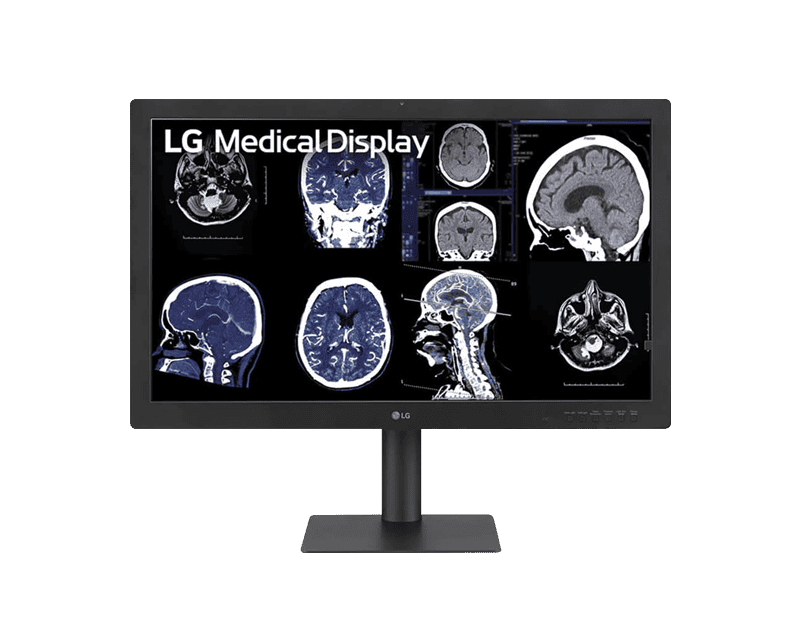
32HQ713D-B | 32HQ713D-B | 31.5″ 8MP IPS Black Diagnostic Monitor
This 31.5-inch 8MP IPS Black Diagnostic Monitor guarantees crystal-clear images for accurate diagnoses.
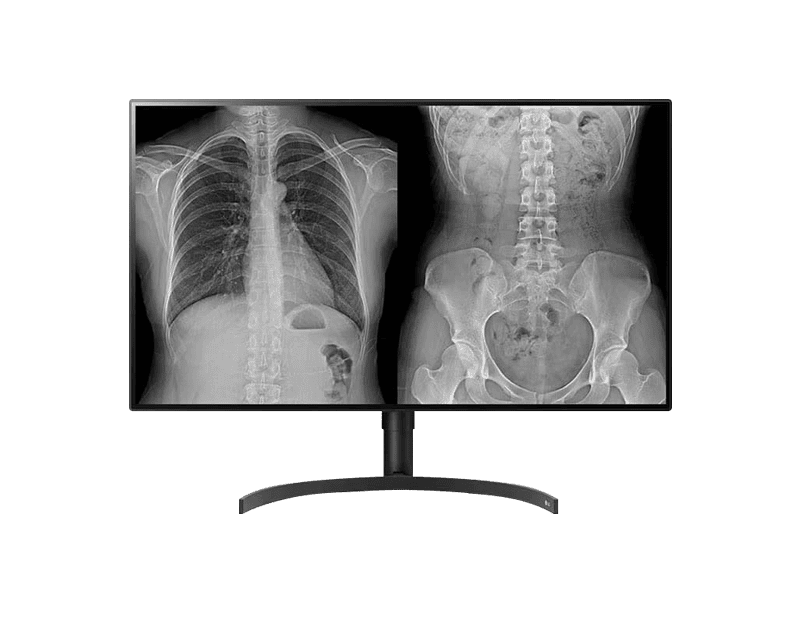
32HL512D-B | 32HL512D-B | 31.5″ 8MP IPS Diagnostic Review Monitor
Crafted for medical professionals, this cutting-edge monitor boasts a spacious 31.5″ 8MP IPS display, delivering unrivaled picture quality with wide viewing angles and minimal color distortion.
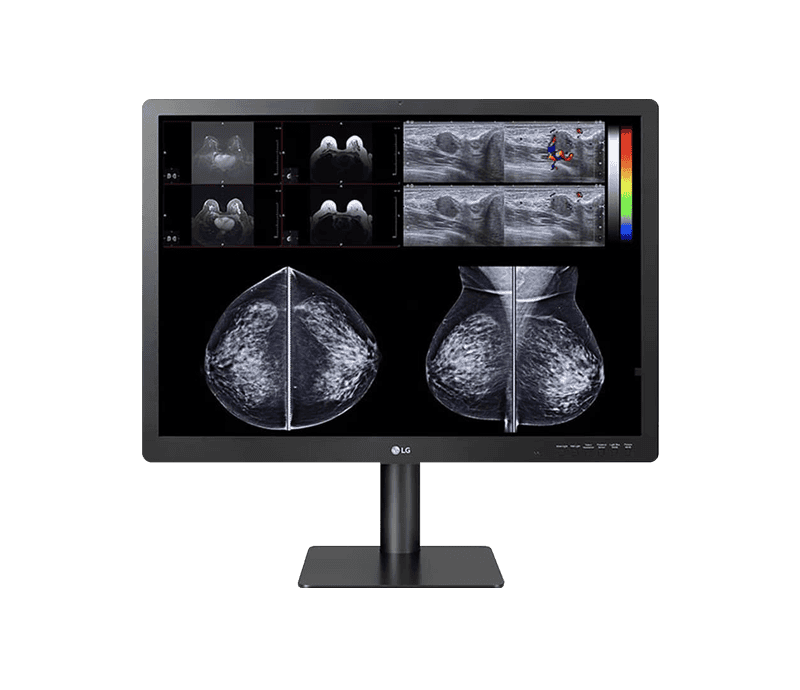
31HN713D-B | 31HN713D-B | 31.5″ 12MP IPS Diagnostic Monitor for Mammography
Elevate your diagnostic capabilities to new heights with the LG 31HN713D-B. It’s not just a monitor; it’s a game-changer in the field of mammography diagnostics.
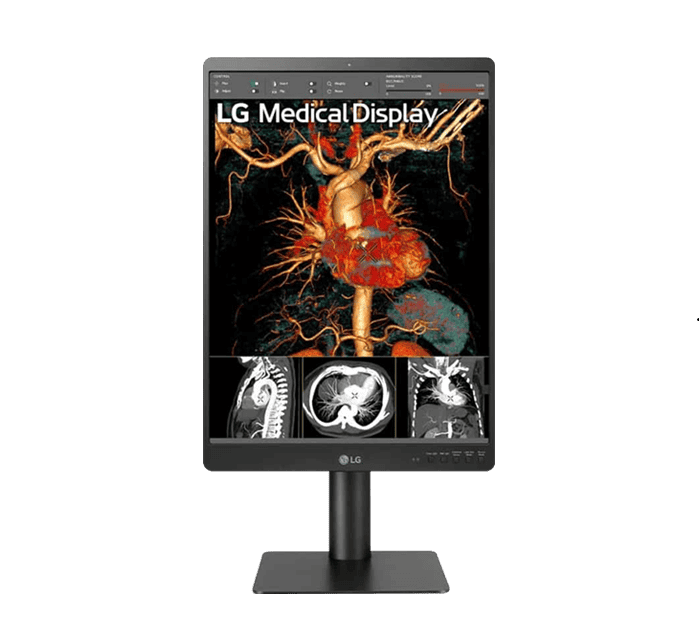
21HQ513D-B | 21HQ513D-B | 21.3” 3MP IPS Diagnostic Monitor
From diagnostics to pathology, the 21HQ513D-B sets a new standard in medical imaging. Empower your practice with this cutting-edge technology, designed to elevate accuracy and efficiency in every aspect of medical imaging.





ENSURE ACCURATE DIAGNOSES WITH LG & TRUCELL
Investing in LG’s medical-grade monitors not only enhance diagnostic accuracy but also ensures compliance with medical standards, safeguarding both patient outcomes and your practice’s reputation.
Contact us today for a free consultation and discover how LG’s diagnostic monitors can elevate your medical imaging capabilities.
Disclaimer
This test is non-clinical and does not replace a professional calibration or regulatory assessment. Always follow institutional guidelines and manufacturer recommendations for diagnostic displays.